

Creating a home office that is both relaxing and productive can greatly impact your workday and overall well-being. Whether you work from home regularly or just need a dedicated spot for managing tasks, a thoughtfully designed workspace can help you stay motivated and comfortable. Here are some top tips to transform your home office into a space that supports concentration and relaxation.
Choose the Right Location
Consider Natural Light and Quiet
Position your desk near a window if possible, to take advantage of natural daylight. Natural light helps reduce eye strain and boosts mood. Avoid areas with frequent foot traffic or noisy spots to minimise distractions. If space is limited, try to create a dedicated nook or corner that feels separate from your living areas.
Separate Work and Relaxation Zones
Keeping your workspace distinct from relaxation areas helps your brain switch between ‘work mode’ and ‘downtime’. If a separate room isn’t an option, use furniture placement, rugs, or room dividers to establish your office space visually.
Invest in Ergonomic Furniture
Choose a Comfortable Chair
An ergonomic chair with adjustable height, lumbar support, and cushioning is essential for long hours at your desk. Proper support helps prevent back pain and encourages good posture.
Select a Suitable Desk
Your desk should offer enough space for your computer, paperwork, and any tools you need. A desk with adjustable height or a standing option can add flexibility to your work routine, promoting better circulation and reducing fatigue.
Optimise Lighting
Combine Ambient and Task Lighting
In addition to natural light, use overhead lighting to brighten the room evenly. Add a desk lamp for focused lighting when reading or working on detailed tasks. Adjustable lamps allow you to control brightness to reduce eye strain.
Avoid Screen Glare
Arrange monitors or screens to avoid direct reflections from windows or lights. Position screens at an angle or use curtains and blinds to manage sunlight throughout the day.
Keep Your Workspace Organised
Declutter Regularly
A tidy desk can help reduce stress and improve focus. Keep only essential items on your desk and store supplies in drawers or organisers.
Use Storage Solutions
Shelves, filing cabinets, and storage boxes help keep documents and materials neat and accessible. Labelled storage makes it easier to find what you need quickly, saving time.
Personalise Your Space
Add Elements That Inspire You
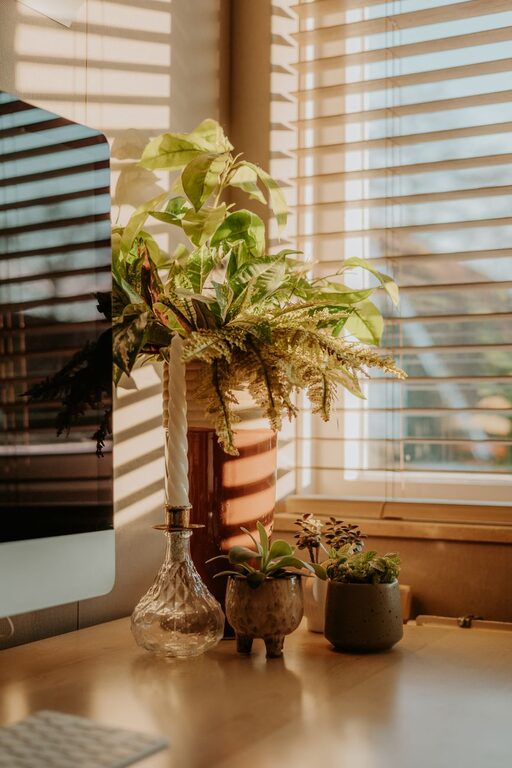
Incorporate personal touches like artwork, plants, or photos that make the space inviting and boost your mood. Choose décor that brings calm, such as natural colours or textures.
Bring in Greenery
Indoor plants improve air quality and add a refreshing feel to your office. Even small plants like succulents can make a positive difference.
Establish a Routine and Boundaries
Set Working Hours
Define clear start and end times to your workday to maintain balance. This routine helps you stay productive during work hours and enjoy downtime afterwards.
Minimise Distractions
Turn off unnecessary notifications and keep your phone out of reach if possible. Use headphones or white noise apps to block out background sounds.
Incorporate Technology Wisely
Use Quality Equipment
Invest in reliable hardware such as a good keyboard, mouse, and monitor. High-quality tools can make your work easier and reduce frustration.
Manage Cables and Chargers
Organise cables using clips or sleeves to prevent tangles and keep your desk tidy. This reduces hazards and gives your workspace a cleaner look.
Keep Comfort in Mind
Maintain Good Air Quality and Temperature
Ensure your office is well ventilated and adjust the temperature to your comfort level. A fan or heater can help maintain the right climate for focus.
Take Breaks and Move
Remember to take short breaks to stretch and move around. This reduces physical strain and refreshes your mind.
—
Creating a relaxing and productive home office is about combining functionality with comfort. Small changes like improving lighting, organising your desk, and personalising your space can have a big effect on your work experience. Take the time to design a workspace that supports your needs, and you’ll likely find yourself more focused, motivated, and content throughout the day.