

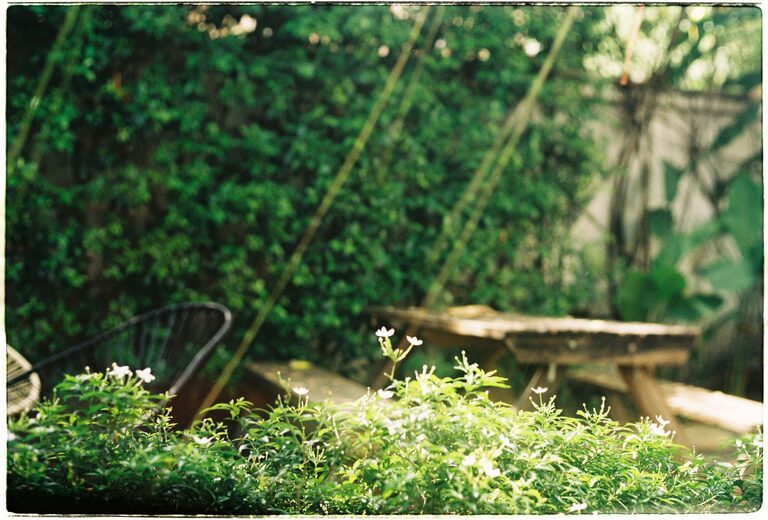
A well-designed home garden can be a wonderful sanctuary—a place to unwind, reconnect with nature, and refresh your mind. Whether you have a large backyard or a small balcony, creating a relaxing garden space is achievable with thoughtful planning and simple touches. In this post, we explore effective tips to help you craft a calm and inviting garden retreat.
Plan Your Space with Relaxation in Mind
Before you start planting or buying furniture, consider the atmosphere you want to create. Your garden’s design should support calmness and rest.
– Assess your space: Look at your garden’s size, sunlight, shade, and existing plants.
– Decide on your purpose: Will you use it for meditation, reading, socialising, or all of these?
– Create different zones: Separate areas for sitting, planting, and pathways add variety and encourage movement.
Choose Soothing Plants and Colours
Plants are at the heart of any garden. For a relaxing effect, choose greenery and flowers that appeal to your senses.
Select calming colours
Soft greens, blues, lavender, and pastels tend to evoke peaceful feelings. Avoid overly bright or harsh colour schemes.
Use fragrant flowers and herbs
Plants like lavender, jasmine, and rosemary release gentle scents that can calm nerves. Herbs also have the added bonus of being useful for cooking.
Incorporate various textures
Mix leafy plants with soft grasses or delicate flowers. The diversity adds visual interest without overwhelming the senses.
Create Comfortable Seating Areas
A relaxing garden is a space where you can rest and enjoy the environment. Seating is essential.
– Choose comfortable furniture: Look for chairs or benches with cushions or ergonomically designed shapes.
– Consider weatherproof materials: Materials like teak, rattan, or metal withstand outdoor conditions.
– Add shade and shelter: Umbrellas, pergolas, or trees provide protection, making the area usable in different weather.
– Place seating strategically: Position seats to enjoy the view or catch a gentle breeze.
Introduce Water Features for Serenity
The sound of flowing water can soothe and mask unwelcome background noise.
– Small fountains or birdbaths: These fit well into smaller spaces and attract wildlife.
– Ponds or water walls: Larger features provide a stronger sensory experience.
– Ensure easy maintenance: Choose features that are simple to clean and care for to avoid stress.
Use Lighting to Enhance Atmosphere
Garden lighting not only extends the usability of your space into the evening but also sets a calm mood.
– Soft, warm lights: Use solar lanterns, fairy lights, or candles to create a gentle glow.
– Pathway lighting: Ensure safe movement without harsh brightness.
– Highlight plants and features: Uplighting trees or statues adds depth and interest.
Incorporate Natural Materials and Decorations
Using natural elements in your garden enhances its peaceful vibe.
– Stone pathways: These add texture and guide visitors through the garden.
– Wooden furniture and features: Benches, fences, or trellises made of wood feel warm and organic.
– Simple ornamentation: Avoid clutter; use minimal decorations such as wind chimes or natural sculptures.
Manage Noise and Privacy
Noise and lack of privacy can detract from relaxation.
– Plant hedges or tall shrubs: These create natural barriers.
– Use screens or fences: Attractive screens made from bamboo or wood can add privacy.
– Include sound buffers: Plants, water features, and outdoor rugs absorb sound.
Keep Your Garden Tidy and Well-Maintained
An orderly garden environment promotes calmness.
– Regular pruning and weeding: Keeps plants healthy and prevents mess.
– Use mulch: Helps retain soil moisture and reduce weeds.
– Store tools neatly: Avoid clutter by having a dedicated garden shed or storage box.
Make Your Garden Personal and Inviting
Finally, add elements that reflect your personality and encourage you to use your garden regularly.
– Choose favourite plants: Incorporate flowers or herbs you love.
– Add personal touches: Favourite cushions, blankets, or artwork.
– Create a ritual: Spend time daily or weekly in your garden to relax and recharge.
Conclusion
Creating a relaxing home garden space is about blending natural beauty with comfort and calm. By planning carefully and paying attention to plants, seating, water features, lighting, and privacy, you can design a peaceful outdoor haven that enriches your daily life. Start small and enjoy the process of turning your garden into your personal retreat.